The Power of Positive Imagination
Michelle Sherman • June 19, 2026
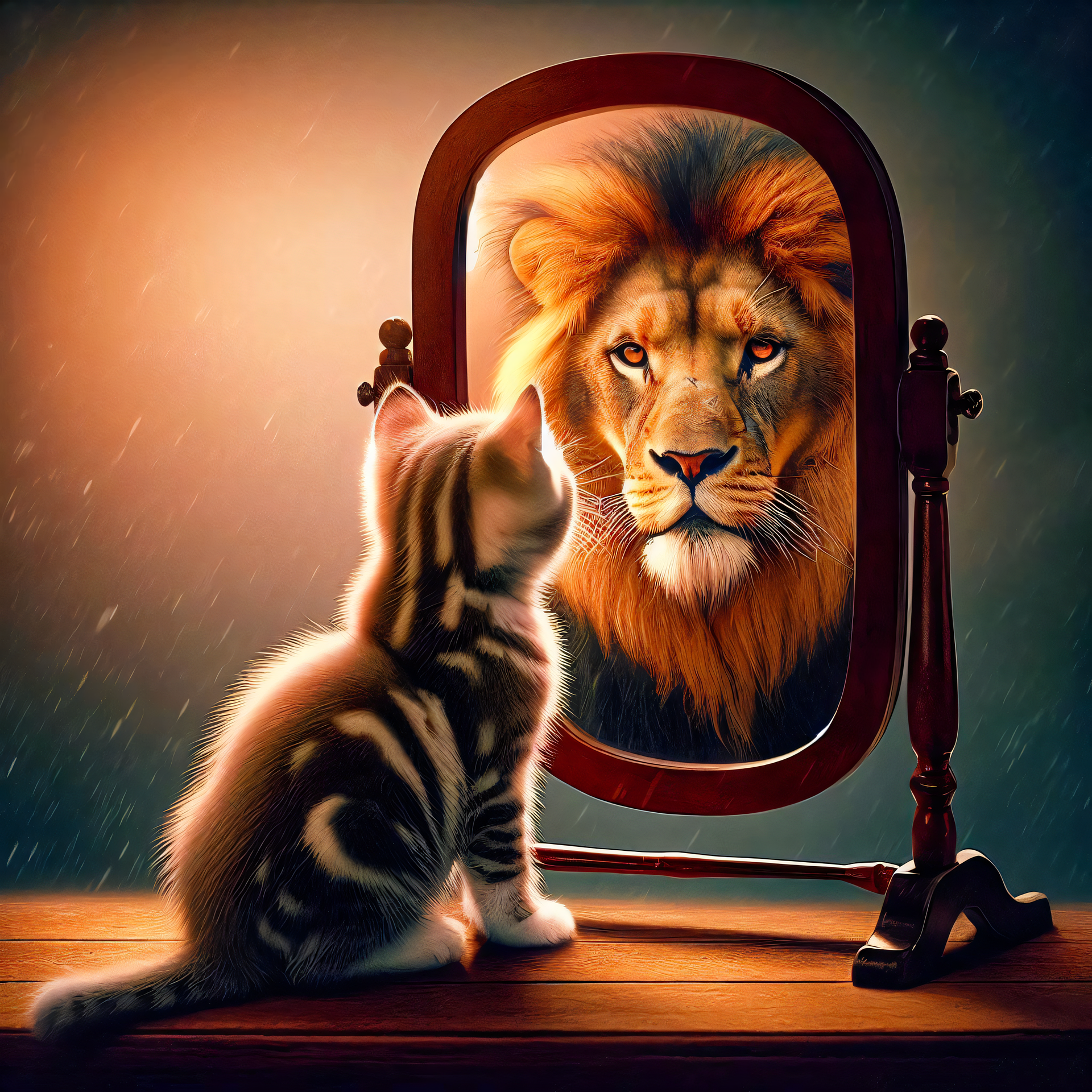
Nocebo Here

“Imagination is more important than knowledge. Knowledge is limited. Imagination encircles the world.” – Albert Einstein.
What Is Imagination?
Most of us take imagination for granted. It can seem innate and natural rather than something we need to cultivate and nurture. We all possess imagination. It’s in what we focus on, what we think about, what we want. Its quality depends on whether we fixate on negativity or on the positive, namely, on things that nourish and delight us. The health impact of relentless negativity is called the Nocebo effect. It is when your anticipation of a negative outcome increases the likelihood of that outcome.
Either way, imagination precedes creation. If we want better outcomes in our lives and in the world, it requires practice, intention, and focus. This is why it is essential that you develop a positive imagination to counterbalance the inherent, fear-based tilt.
Our positive imagination encourages us to conjure viable solutions to life’s most difficult problems. Positive Imagination alleviates struggle and can foster joyful collaboration with others. Leaders who harness the power of positive imagination within their teams can elicit the best in people and improve outcomes. Consider positive imagination the secret key to improving not just your own life, but the lives of those around you.
The Power of Positive Imagination
Positive imagination results from combining optimism and critical thinking. That combo elicits masterful insights into situations that previously seemed insurmountable. For positive imagination to flourish, the humans involved need to feel respected, heard, safe, and valued. That allows the most modern components of their brain to do the work.
Our imagination impacts our everyday lives. Everything that happens in our imagination is also experienced in our bodies. The “emotional tone” of our imaginations affects our health and well-being in very tangible ways. If you find yourself constantly imagining visions of doom and gloom, you could induce a chronic stress reaction and erode your heart, kidney, and brain health. If you imagine joyful things, however, that’s when you thrive, even enjoying the positive health impacts in the process.
I invite you to explore these ideas further in “Kindling the Flame,” a primer on imagination that offers techniques for where to pay attention to improve resilience and promote sustained, positive outcomes. The book shares four specific areas of focus to harness the power of your positive imagination:
- Intentionally nourishing your mind
- Igniting a positive imagination
- Taking command of where you focus your attention
- Setting healthier device and cognitive boundaries
So what’s behind these four concepts, according to “Kindling the Flame”
When you nourish your mind, it promotes the flow of brain chemicals that balance and stabilize your overall harmony, a state known as coherence. A coherence revealed through positive imagination “flaunts itself in our day-to-day world by sharing ideas that inspire brilliant solutions.” A positive imagination allows you to “become a trendsetter, formulating unique solutions with those around you. Your positive imagination provides the mental placeholder for a brighter future until that future can occur.” Those are powerful tools, and you can read even more about them in the book.
But there’s still more in your imagination toolkit. When you take command of where you focus your attention and set healthier boundaries, you help avoid “cognitive exhaustion,” which can wear you down and lead to negativity. Conversely, “cognitive replenishment” is your ticket to original thinking, wherein “you can engage with life in a manner that honors, nourishes, and supports your best interests.”
A Word on the Nocebo Effect
It isn’t just cognitive exhaustion we must combat. We should also avoid the nocebo effect.
This is a product of psychological or psychosomatic factors like negative expectations of treatment or prognosis. Instead of a positive placebo effect, it’s an adverse nocebo effect. You are effectively defeating yourself before you’ve even had a chance to succeed.
When we expect the worst, we often create it—and we can negatively impact our health in the process. But you won’t hear this term in most mainstream contexts. Medical institutions and pharmaceutical companies often ignore it in favor of lists of adverse drug side effects.
The nocebo effect is a powerful demonstration of the ramifications of neglecting our positive imagination. It isn’t just a lack of positive thinking; in its worst iterations, it can lead to a proliferation of negative thinking that harms our health and well-being.